Chimney and Stovepipe Installations
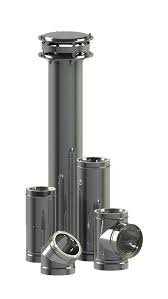
Factory chimneys are engineered systems intended for installations inside combustible enclosures. The manufacturer specifies the components required and installation instructions to ensure the chimney system operates safely. Manufacturers recommend that certified installers be used for warranty coverage. At Woodburners, we supply and install manufactured chimney systems that meet CAN/ULC S629 standards for 650 °C factory-built chimneys. Our double-wall stovepipe is certified to CAN/ULC S641, reducing the clearance requirement compared to a single-wall stovepipe by 66%
Typically, online or DIY stores carry components that may only be suitable for simple installations and might not include all the necessary parts for a safe chimney installation. At Woodburners, we offer a complete selection of commercial-grade components to suit any situation. Safe Factory chimney installations depend on following the manufacturer’s instructions with the manufacturer’s specified components. Having safely installed hundreds of factory chimneys, we have the expertise to install your new chimney, including all necessary components, in accordance with the manufacturer’s instructions and CSA B365-25 Installation Code for Solid Fuel Burning Appliances and Equipment
For information on our factory chimney and stovepipe, click here. To book a site evaluation, click the link below.
Wood Stove Installations
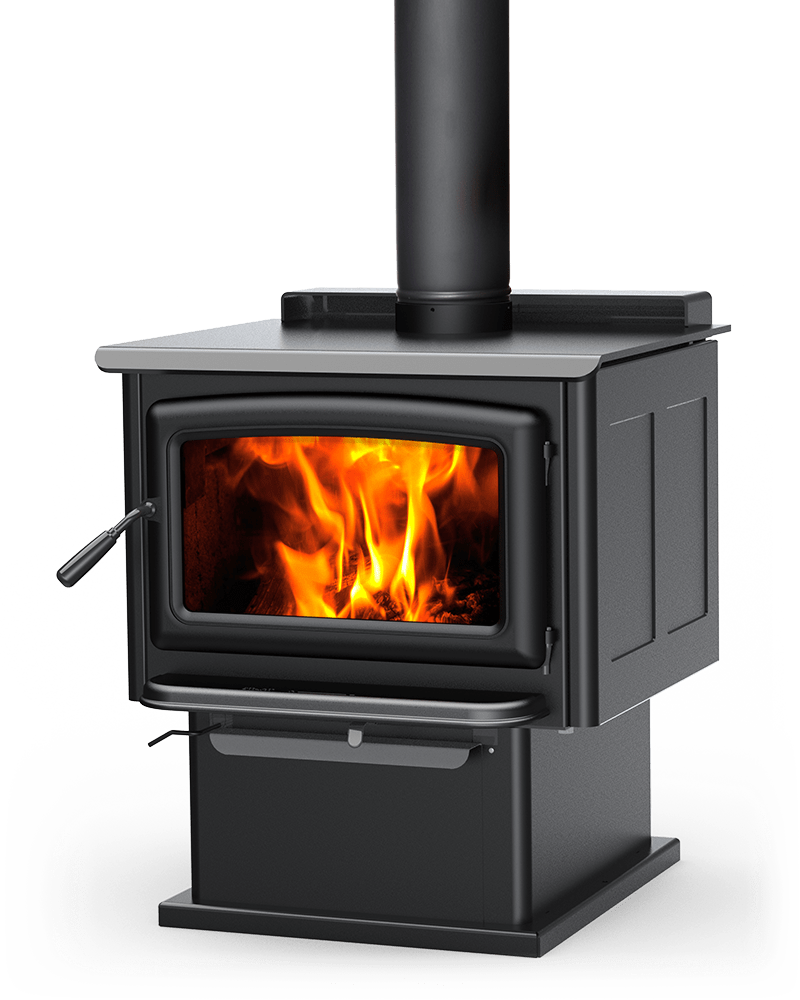
Wood stoves are meant to be “space” heaters. They should be properly sized for the space where they will be installed. Generally, heat output depends on the size of the firebox. The higher the heat output, the higher the clearance requirements to combustibles.
There are two basic types of wood stoves, radiant and convective. Radiant stoves typically lack additional shielding around the firebox, and heat radiates in all directions, resulting in larger clearance requirements. Convective stoves typically have shielding around the exterior of the firebox that intercepts radiated heat and transfers it to air flowing between the shielding and the firebox; as a result, the required clearances to combustibles are reduced.
In addition, some manufacturers have introduced stove models with catalytic elements to reduce the appliance’s emissions. There is a difference in how these stoves are operated, and this should be taken into account when deciding on a stove.
Each certified stove will have the clearance and hearth requirements listed on the label. Some stoves may have additional requirements specified in the model’s installation manual; it is important to verify if this is the case. For instance, some stoves may require a larger or wider hearth, or one with greater insulating value.
Uncertified and Unsuitable Appliance
Uncertified appliances versus unsuitable. An example of an uncertified appliance is an older cookstove without a test label. These may or may not be allowed by your insurance company or the authority having jurisdiction. In contrast, “unsuitable” refers to any appliance, whether previously certified or uncertified, that is damaged or unsafe to operate. If you are considering installing an older appliance, it is strongly recommended that you have it inspected and verify its suitability before proceeding.
Hazardous Locations
Hazardous locations. Depending on the authority having jurisdiction, wood stoves may or may not be allowed in hazardous locations. Hazardous locations are any locations that may be exposed to combustible dust and fumes or that may be mechanically damaged. There are specific installation requirements in this case, in addition to any other requirements.
To see our wood stoves, click here
Wood Fireplace Installations
For existing systems, a System Inspection Technical Evaluation will assess the condition of the wood stove, fireplace, and venting, as well as their suitability for use. For new installations, an assessment of the building envelope and the proposed fireplace placement will be conducted to identify any installation restrictions. Once this is finished, a suitable fireplace can be chosen to fit. The intended use, the desired aesthetics, and available space would be taken into account. After a unit is selected, the system design is reevaluated to ensure all aspects of the manufacturer’s installation requirements can be met. The fireplace and chase enclosure construction, finishing requirements, and other finishing elements, such as trims, hearths, and mantles, can then be specified.
For additional information, click here.
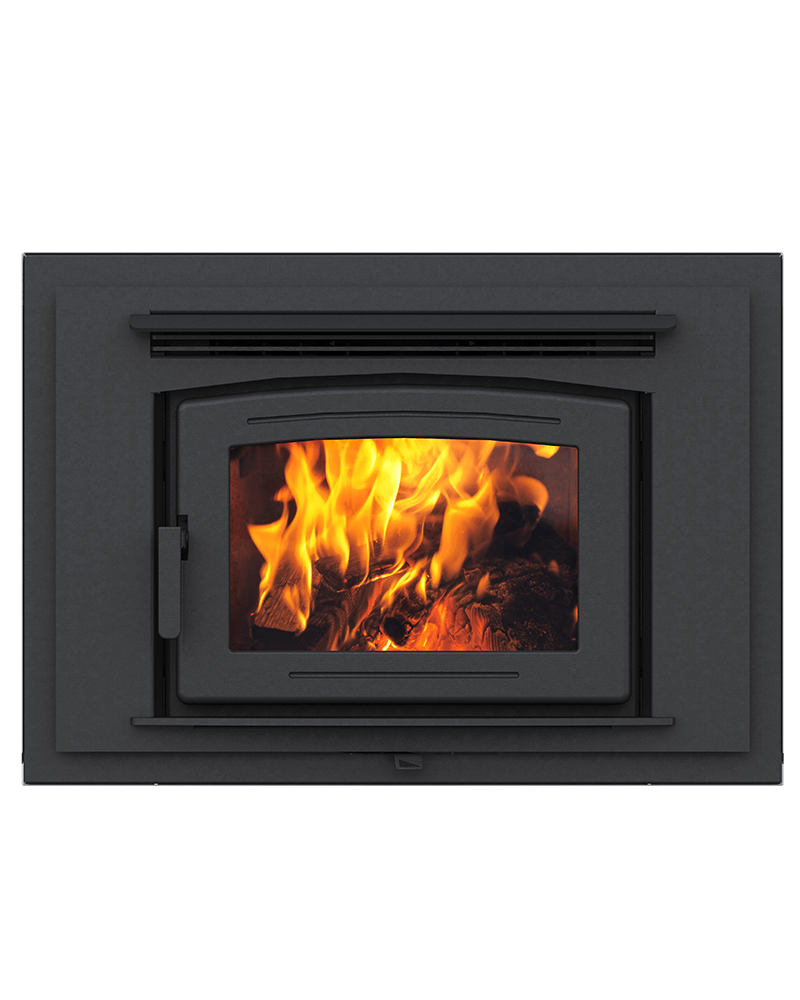
Wood Inserts
A System Inspection Technical Evaluation will assess the condition of the insert and existing masonry fireplace and chimney, as well as their suitability for use. The fireplace is measured to determine the size of the insert that can be installed. With this information, an insert can be selected based on aesthetics or other factors. Once the insert is selected, the required venting and any required changes to hearths, mantles, or finishes can be specified.
For additional information, click here.
Pellet Stoves
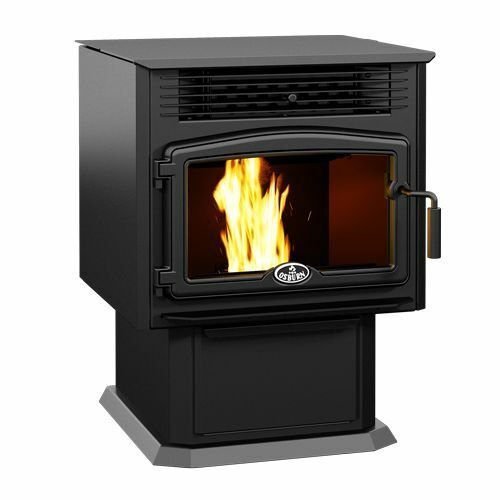
A System Inspection Technical Evaluation will assess the condition of the pellet stove and venting system, as well as their suitability for use. For new installations, an evaluation of the building envelope and the proposed pellet stove location is conducted to determine installation constraints. A pellet stove can then be selected and the required venting, hearth and other requirements specified.
For additional information, click here.