

WETT Chimney Sweep
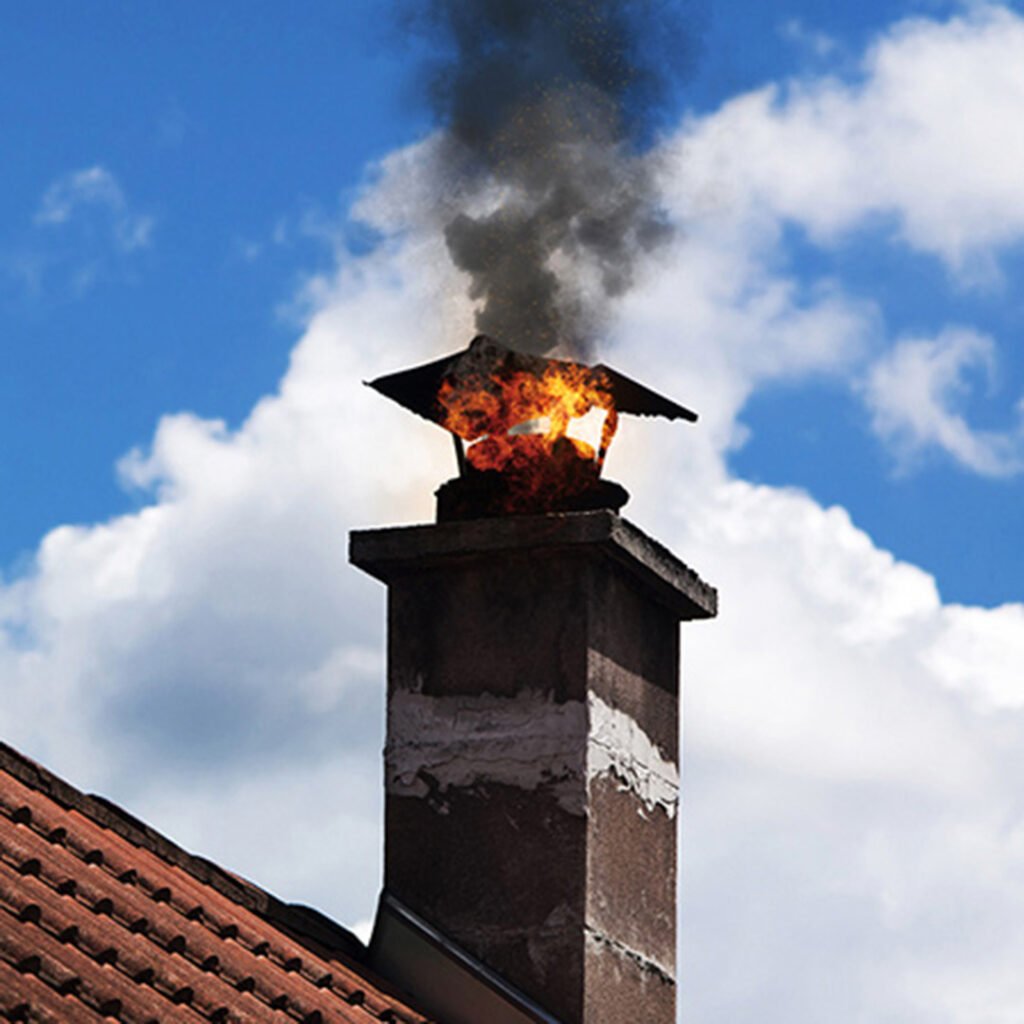
A common question is: how often should a WETT certified chimney sweep clean my chimney? The National Fire Code mandates annual inspections. However, the frequency of cleaning depends more on how quickly creosote deposits form than on a fixed time interval. The fact remains that deposits can build up sooner in some situations than an annual cleaning can handle. Cleaning should be performed once deposits reach 1/8 inch thick. Other factors that may increase the need to clean the chimney include changes in fuel volume or quality, or changes to the system that affect how the appliance operates.
When usage is light, the fuel quality is good (dry, properly sized, and free of contaminants), and the appliance functions correctly, annual sweeping may be enough. Appliances that are used often or show signs of malfunction—such as creosote buildup on glass doors, smouldering, extinguished fires, or smoke spillage—require more frequent sweeping. Any significant change in how the appliance operates warrants immediate sweeping. Click on any of the pictures below or here to book a sweep and visual inspection.
The Chimney Sweep Process
For safety reasons and with the advent of modern sweeping equipment, it is preferable to sweep from the bottom to the top. Sweeping from the bottom allows the sweep to work safely in all weather conditions, to monitor the deposits coming from the flue, to control soot production, and to reduce the exposure to creosote. As well, the sweep can verify that the entire flue is clear at the end of the process.
At the beginning, we will cover the work area with clean drop cloths. Next, we will disassemble any components required for the cleaning. The components that may need to be disassembled include any stovepipe with 90-degree bends, fireplace and stove baffles, or exterior chimney cleanouts. High-efficiency rotary chimney brushes are used to sweep the chimney. HEPA-filtered vacuums are used to collect the soot. After the sweep, the removed components will be reinstalled.
To book your chimney sweep, please inform your technician about the type of wood-burning appliance you have. Certain wood-burning appliances require additional time to properly clean. Let us know if you have a traditional masonry or contraflow masonry heater, or a wooden cookstove.
Visual Inspections During a Sweep
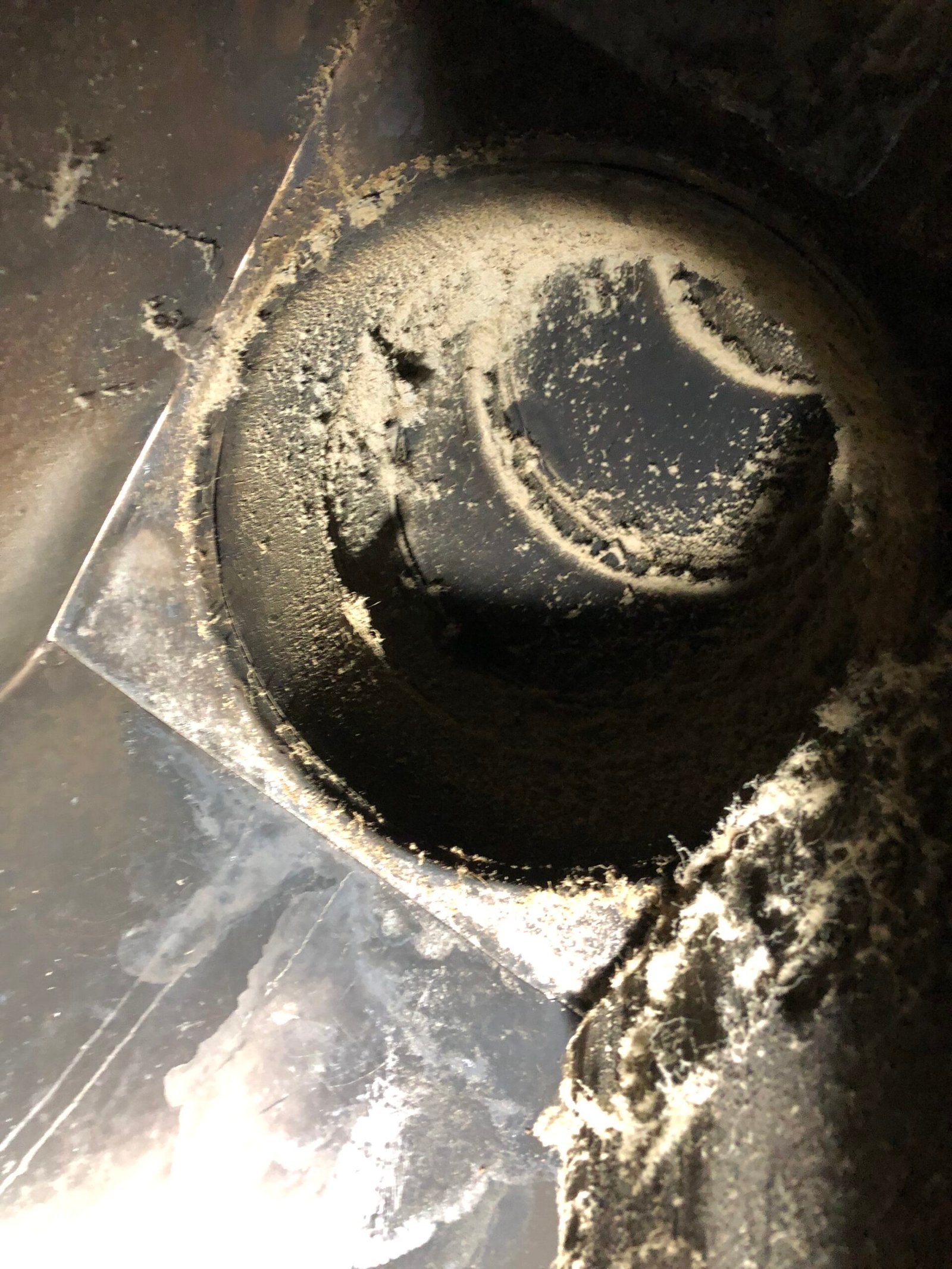
The WETT-certified sweep will determine the standing cold draft characteristics of the wood-burning appliance. They will observe the quantity, type, and colour of the deposits exiting the flue. The sweep will also note any creosote smell or other odours coming from the appliance. In addition, the sweep will note the presence of any materials other than soot, such as grass, leaves, needles, feathers, or excrement. Finally, they will examine visual components of the flue for evidence of damage.
The sweep will examine the appliance for evidence of overfiring and damage. They will note the condition of the refractory materials, baffles, and door seals. They will check the air intakes for air-cooled chimneys and the appliance air supply for obstructions. The sweep will also evaluate the type of fuel being burnt and ask about how well the stove has been operating.
Common Issues
Flues serving stoves and fireplaces in the basement are most prone to downdrafts and smoke spillage. In some cases, mechanical air systems can also induce negative drafts and spillage. Another factor is the chimney type and its operating temperature, which also play a key role in whether the appliance functions properly or is prone to creosote buildup. As well, the height and location of the venting is one of the more common causes of poor performance and smoke spillage.
A poorly designed, located, or poorly specified wood-burning appliance or venting system can be frustrating. A well-designed system considers every variable, including the type of appliance and its placement within the building envelope. A WETT certified technician can identify potential causes of poor performance and suggest solutions.
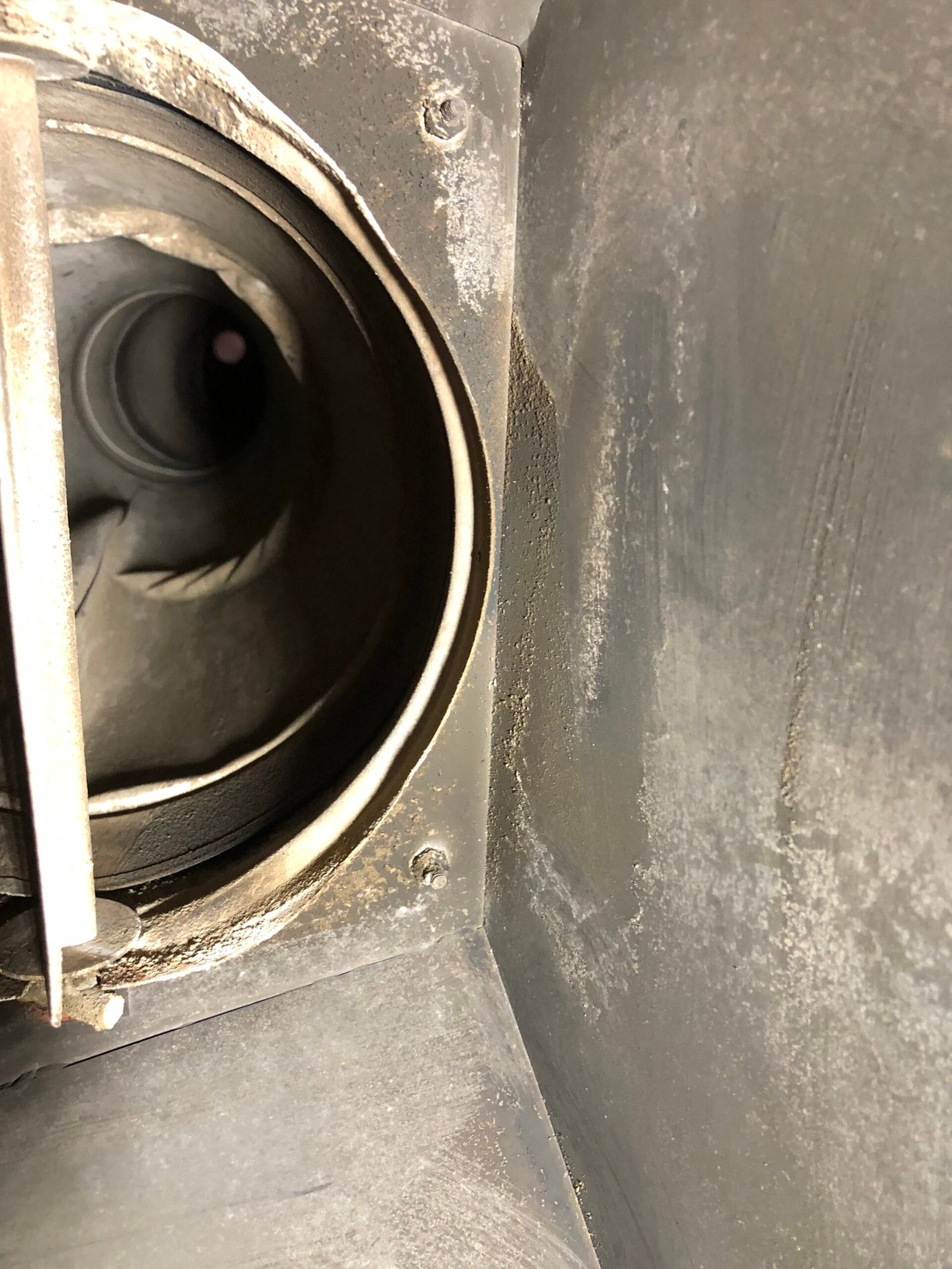
Creosote on fireplace doors or within the flue may indicate the use of wet wood. It could also mean the stove or fireplace isn’t getting enough air, or that improper operation is to blame. White ash in the system may result from an uncontrolled fire caused by creosote deposits, worn door seals, overfiring, or improper operation. This can damage the venting, stove, or fireplace. A warped or cracked flue, damaged stove or fireplace parts, or other issues may indicate potentially dangerous operating conditions.
Any time there has been a sudden change in how the stove or fireplace operates warrants investigation.
The Importance of Maintenance
Along with regular cleaning, regular maintenance is important to ensure that your wood-burning system continues to operate safely. Some conditions can be readily observed. Ensuring that the door gaskets, handles, and operating controls are in good condition is important for the stove to operate as intended. Leaking door gaskets may cause the appliance to overfire because air bypasses its air controls. Missing bricks, refractory panels, or insulating blankets increase heat transfer to the enclosure and can reduce the stove’s efficiency.
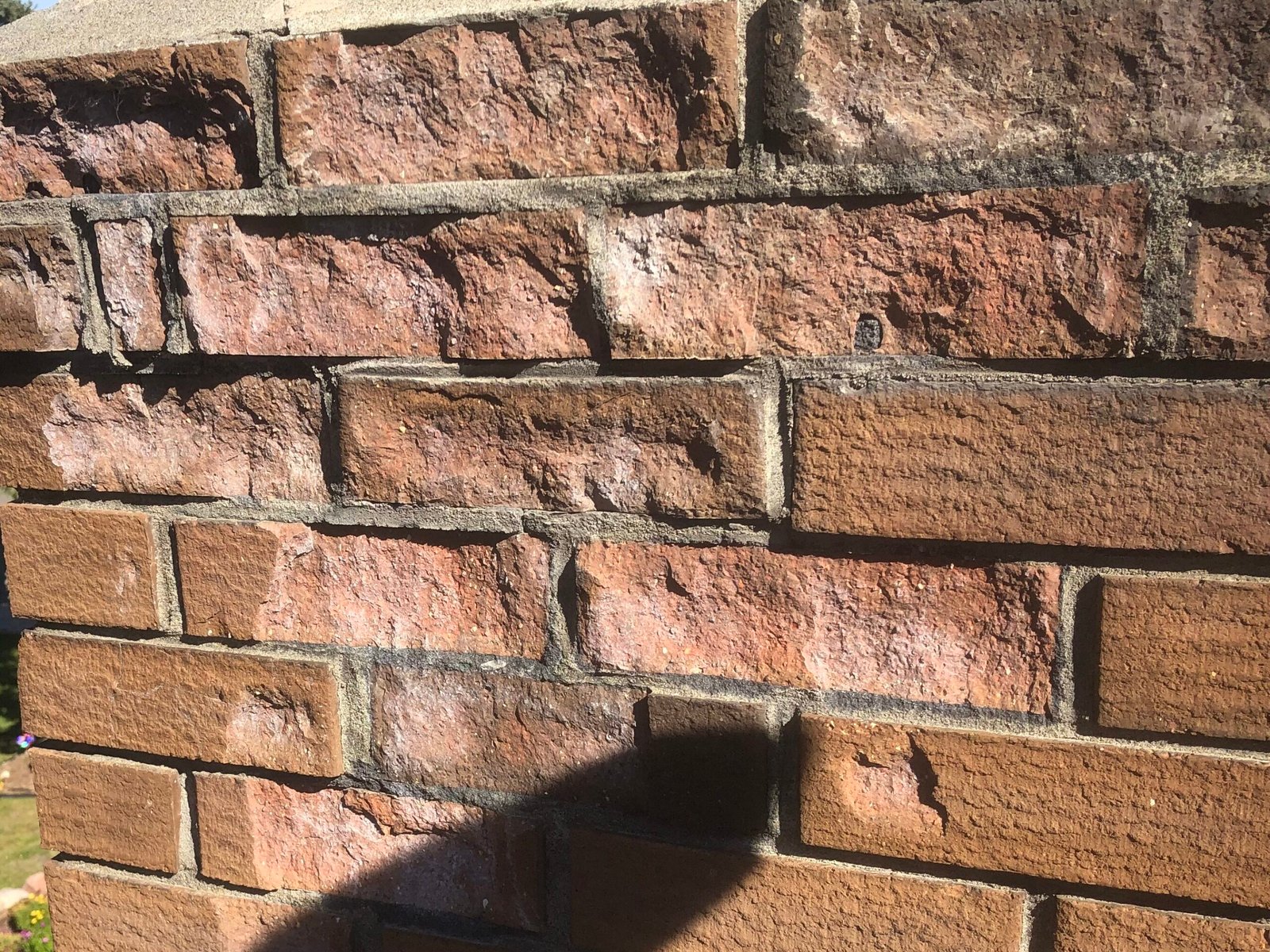
Preventive maintenance may include addressing the condition of the cap, crown, flashing or storm collars to prevent water damage and to exclude pests. Any evidence of exterior damage to brickwork, water damage to the interior, or missing caulking or sealants warrants remedying as soon as possible to prevent costly damage to the house structure. Evidence of bats, birds and squirrels also warrants attention.
Our WETT Certified Technicians can provide solutions to protect your long-term investment and ensure your safety. Contact us today!
Customer Feedback

”Exceptional service! The chimney sweeping was thorough and professional. Highly recommend this company!”

”The installation of our wood stove was seamless. Great team and excellent workmanship!”
Expert Chimney Services
Trust our WETT-Certified professionals for chimney sweeping, inspections, repairs and wood stove and fireplace installations. Quality service guaranteed.